Cosmetic Dentistry
Cosmetic dentistry at this practice covers whitening, veneers, bonding, contouring, crowns, implants and full smile makeovers. What ties them together is the aim: natural results that suit your own face, planned around how your teeth function rather than only how they photograph. Dr. Julia Lokitis practises in Vienna, minutes from Tysons Corner.
How we think about it
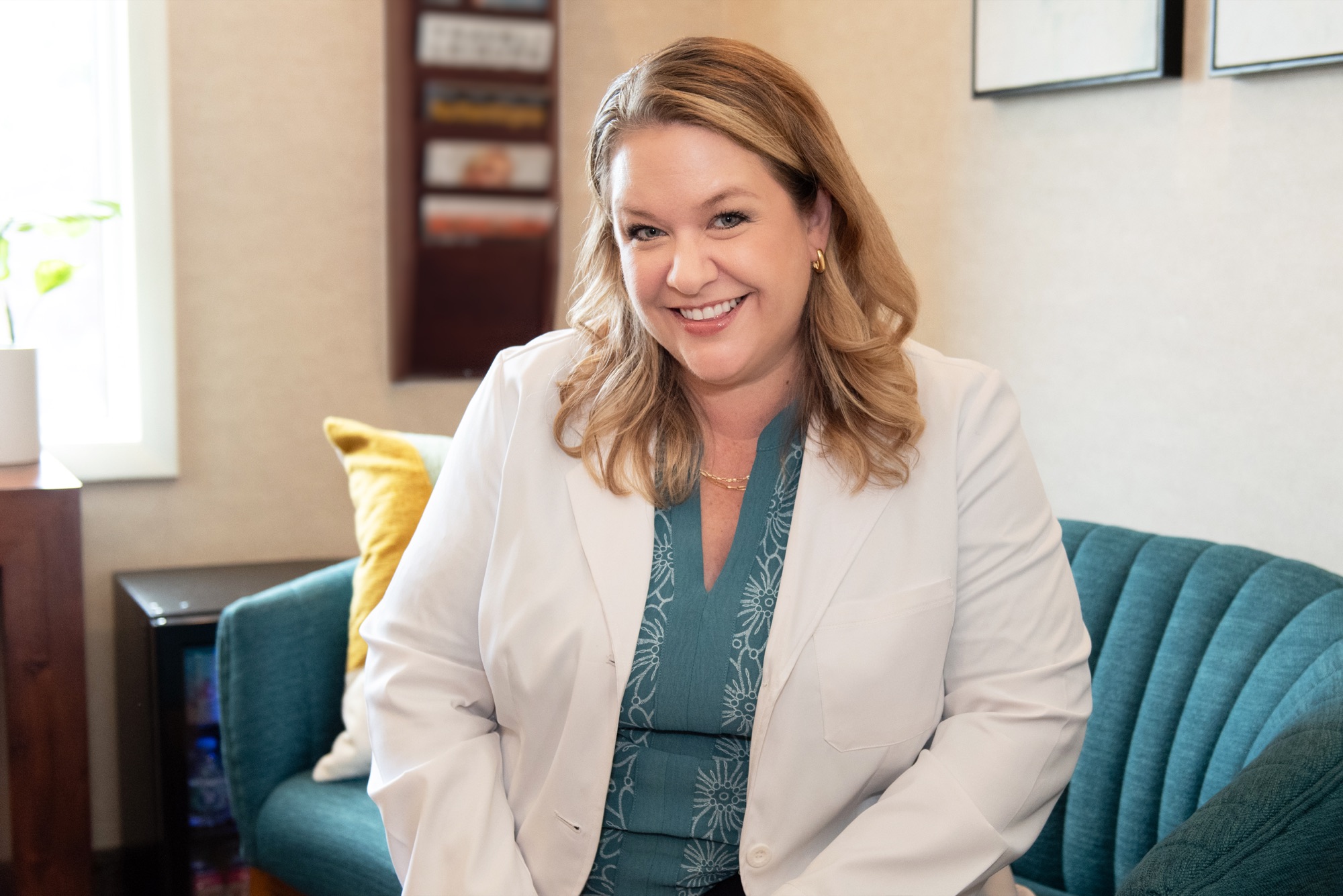
Her own description of the practice is the clearest statement of approach we could write, so we will quote it rather than paraphrase: Dr. Lokitis and our dedicated team understand that a healthy smile is about more than just aesthetics. We're passionate about treating entire families and exploring how oral health connects to your overall wellbeing. While we offer cosmetic services, our focus is on achieving natural results that enhance your unique smile.
There is a real position inside that. Cosmetic dentistry can be sold as a product line, and the incentive runs towards the largest treatment somebody will agree to. The alternative is to treat it as a diagnostic question first — what is actually causing the thing that bothers you, and what is the smallest intervention that answers it. Those two approaches produce very different treatment plans from the same patient.
It also means some consultations end with us talking you out of something. If your front teeth are chipping because you grind at night, porcelain on top of that is an expensive way to chip porcelain instead. If a tooth looks out of line, moving it is usually better than resurfacing it. We would rather tell you that at the start.
The treatments we offer
Nine, and they are meant to be read as a menu of options rather than a sequence to work through.
Teeth Whitening
The most requested cosmetic procedure in dentistry. In-office whitening with light activation in a single visit, or custom take-home trays used over roughly two weeks. It lifts natural enamel and has no effect on existing fillings or crowns.
Porcelain Veneers
Custom porcelain shells bonded to the front of the teeth, for discoloration, chips, gaps and misshapen teeth. Minimal enamel removal, stain-resistant, and typically 10 to 15 years of service with proper care.
Dental Bonding
Tooth-colored composite shaped directly onto the tooth in one visit. Quick, largely non-invasive, and a cost-effective alternative to veneers or crowns for chips, cracks, small gaps and single stains. Generally lasts 7 to 10 years.
Dental Contouring
Removing a small amount of enamel to adjust the shape or size of a tooth. Only minor changes are possible, but for an uneven edge or a sharp corner it is often the whole answer, and the least invasive option there is.
Invisible Braces
Clear, removable aligners that move teeth into a better position without brackets or wires. Where teeth genuinely need repositioning, this comes before cosmetic resurfacing rather than instead of it.
Inlays and Onlays
Custom-fitted restorations in tooth-colored porcelain, composite or gold, for damage too extensive for a filling but not enough to need a full crown. Natural-looking and durable on back teeth.
Dental Crowns
Custom covers for teeth that are cracked, weakened, heavily decayed or have had a root canal. Made by Oral Prosthetics Lab, with the material chosen case by case: e.max for translucency on front teeth, BruxZir Zirconia for durability at the back.
Dental Implants
Replacing a missing tooth root and all, rather than bridging the gap. The most involved option on this list and the one that most changes what is possible for the teeth around it.
Smile Makeovers
A custom care plan incorporating one or more cosmetic or restorative treatments, sequenced deliberately. This is where the treatments above stop being a list and start being a plan.
How a plan comes together
Cosmetic work goes wrong more often through sequencing than through technique. This is the order we work in, and why.
1. Health before appearance
An exam, and any X-rays needed. Decay gets treated and gum health gets addressed before anything cosmetic starts, because porcelain and composite bonded to an unhealthy foundation fail at the margin. If gum disease is present, that comes first.
2. Function before form
How your teeth meet is examined before how they look. A bite that loads a front tooth heavily will chip whatever we bond to it. If you clench or grind, that is part of the plan, usually as a night guard, not a footnote.
3. Position before surface
If teeth need moving, they are moved first with clear aligners. Resurfacing a tooth to disguise where it sits means preparing more enamel than the result is worth, and the finished shape is judged against a bite that is no longer changing.
4. Shade before shape
Whitening comes before new porcelain or composite, so the new work is matched to the shade you have ended up with. Restorations do not lighten later, and this single decision saves more work being redone than any other.
5. Shape last
Contouring, bonding and veneers are the finishing layer. By this stage the foundation is sound, the teeth are where they belong, and the shade is settled, so the shape can be judged against something stable.
Who plans your treatment
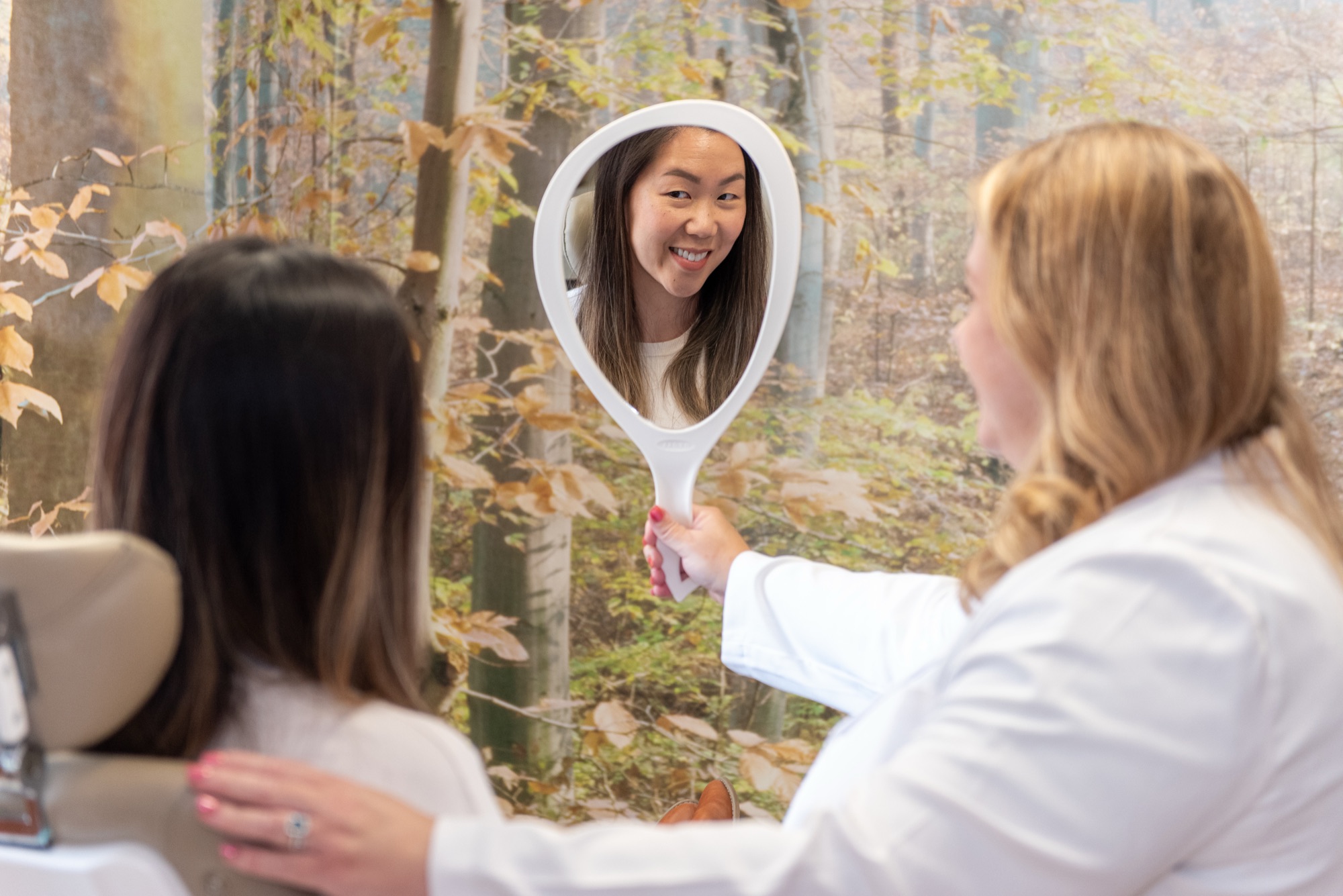
Dr. Julia Lokitis earned her undergraduate degree at the University of Maryland, College Park and her DDS at the University of Maryland, Baltimore with special honors in prosthodontics. She completed a one-year general practice residency at York Hospital in Pennsylvania, with advanced training in cosmetic procedures, restorative work, veneers, oral surgery, implant surgery and dental trauma management. She has spent over 15 years in general practice, and her affiliations include the International Academy of Facial Aesthetics.
Prosthodontics is the discipline concerned with restoring teeth and with how a bite fits together and functions, and honors in it is the credential most relevant to cosmetic work. It is why a consultation here starts with how your teeth meet rather than with a catalogue of treatments, and why the sequence above exists at all.
We explain procedures thoroughly and build plans that suit your needs, with no upselling and no overtreatment. You will know what a treatment involves and what it costs before anything begins. Our office is on Old Courthouse Road in Vienna, a few minutes from Tysons Corner and convenient to McLean, Dunn Loring, Merrifield, Oakton, Great Falls, Falls Church and Fairfax.
What a consultation is like
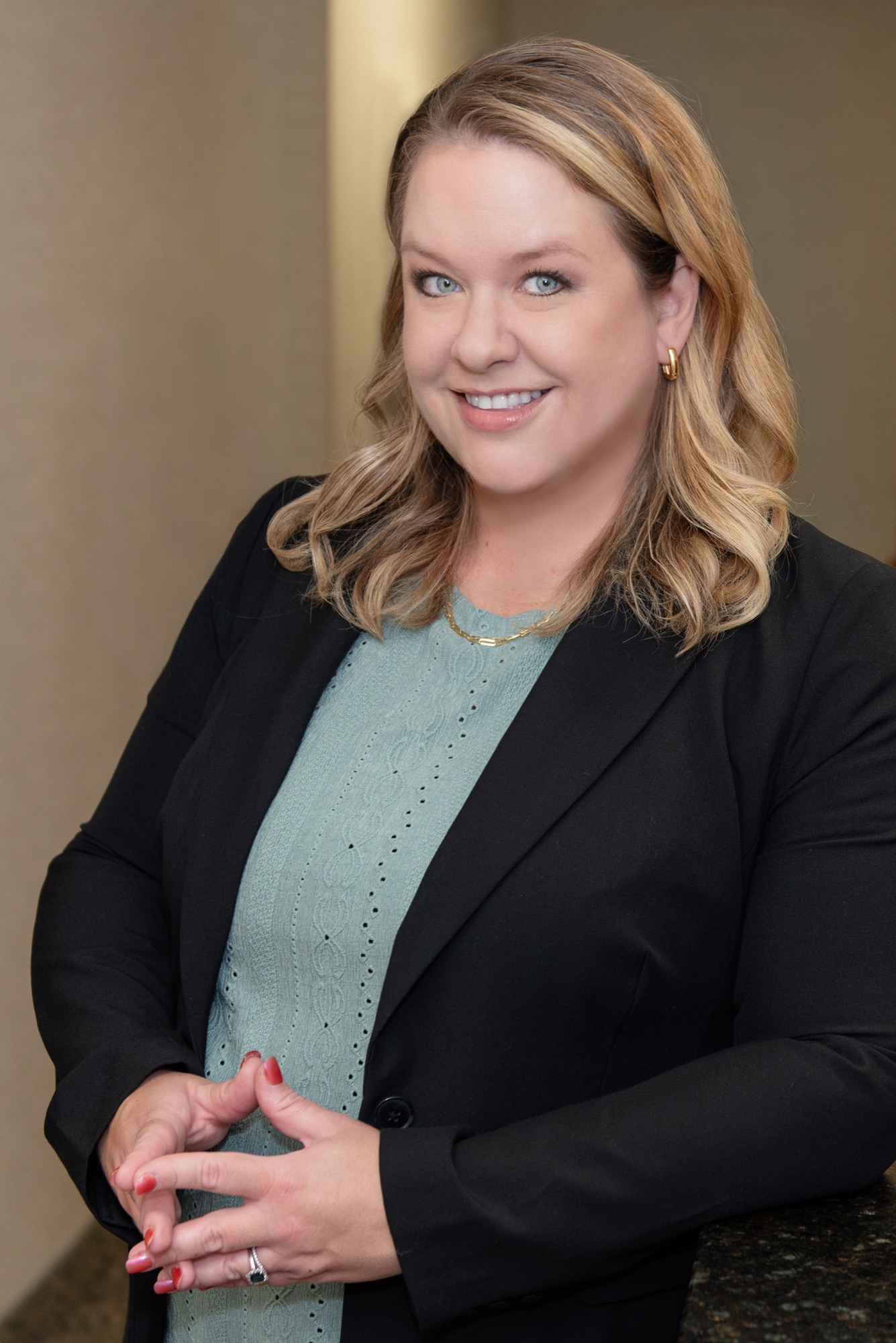
You talk, we look, and nobody asks you to decide anything on the day. Bring the specific thing that bothers you, even if it sounds small — one tooth slightly longer than another is a perfectly good reason to book, and it is often the easiest thing on this page to fix.
We will examine the teeth and gums, take whatever records are needed, and go through the options with the trade-offs attached: what each one involves, how long it lasts, how much of your own tooth it costs you, and what it costs in money. Where two options would both work, we will say which we would choose and why.
You will not be handed a form asking for a list of symptoms. If there is something about your health or your history you want us to know, tell us in the room or on the phone. Our number is (703) 893-1603, and you can also reach us through the contact page. If you are new to the practice, there is more about what to expect on our new patients page.
Frequently Asked Questions
Where do I start if I am not sure what I need? expand_more
With a consultation and no commitment. You point at what bothers you, we look at what is actually causing it, and Dr. Lokitis tells you the options in order of how much they involve. A surprising number of these conversations end with a smaller answer than the one somebody walked in expecting, and that is a good outcome rather than a disappointing one.
What is a smile makeover? expand_more
It is not a single procedure. A smile makeover is a custom care plan that incorporates one or more cosmetic or restorative treatments, sequenced so they work together rather than fighting each other. For one person that might be whitening and two bonded edges. For another it might be aligners first, then veneers. The plan is the product.
Will the result look natural? expand_more
That is the stated aim. Her own words are that while the practice offers cosmetic services, the focus is on achieving natural results that enhance your unique smile. In practice that means matching the shade and translucency of your own teeth rather than reaching for the whitest option, and keeping the shape of a tooth in proportion to your face and to the teeth beside it.
How long does cosmetic treatment take? expand_more
It depends entirely on what is involved. Whitening and bonding are usually one visit. Veneers take two appointments with laboratory time in between. If teeth need moving first, the timeline is measured in months rather than visits. We would rather give you a realistic range once we have looked than a comfortable number before.
Do I need to fix cavities or gum problems first? expand_more
Yes, and this is not negotiable rather than a preference. Cosmetic work bonded to a decayed tooth or placed against inflamed gums fails, and it fails at your expense. Any decay is treated and gum health is addressed before appearance work begins. If that adds a step you were not expecting, we will explain why it is there.
Can cosmetic dentistry help a bite that feels wrong? expand_more
Sometimes, and that overlap is worth taking seriously. Teeth that are worn, chipping repeatedly or meeting unevenly are a functional problem showing up as a cosmetic one. Treating the appearance without the cause means the same thing happens again. Dr. Lokitis looks at how your teeth meet as part of any cosmetic plan, which is what her prosthodontic training is for.
Does dental insurance cover cosmetic dentistry? expand_more
Work done purely to change how teeth look is generally treated as elective and is not usually covered. Work that restores a tooth which is broken, worn or decayed is often looked at differently, even when the result is also cosmetic. We are happy to check your benefits before you commit to anything, and you will know what treatment costs before it begins.
Start with the thing that bothers you.
You do not need to know what the treatment is called. Describe what you would change and we will tell you the options, smallest first. Contact our Vienna office, minutes from Tysons Corner.