Sleep Apnea Treatment
Obstructive sleep apnea is triggered by the loss of tone in the soft tissues in the back of your throat during sleep. A custom-fit oral jaw device may offer fast and effective results as a comfortable alternative to CPAP.
What is sleep apnea?
During sleep, the muscles that hold your airway open relax along with everything else. In obstructive sleep apnea, the soft tissues at the back of the throat relax far enough to narrow that airway and briefly block airflow altogether. The body notices, rouses just enough to restore breathing, and settles again — sometimes many times an hour, usually without your remembering a single one of them.
That is why the condition is so often missed. From the inside it does not feel like a breathing problem. It feels like being tired all the time for no particular reason, and like never quite waking up rested no matter how many hours you spent in bed.
Physicians take sleep-disordered breathing seriously because of its association with wider health effects, not only with daytime tiredness. If any of the signs below sound familiar, it is worth investigating properly rather than putting up with it.
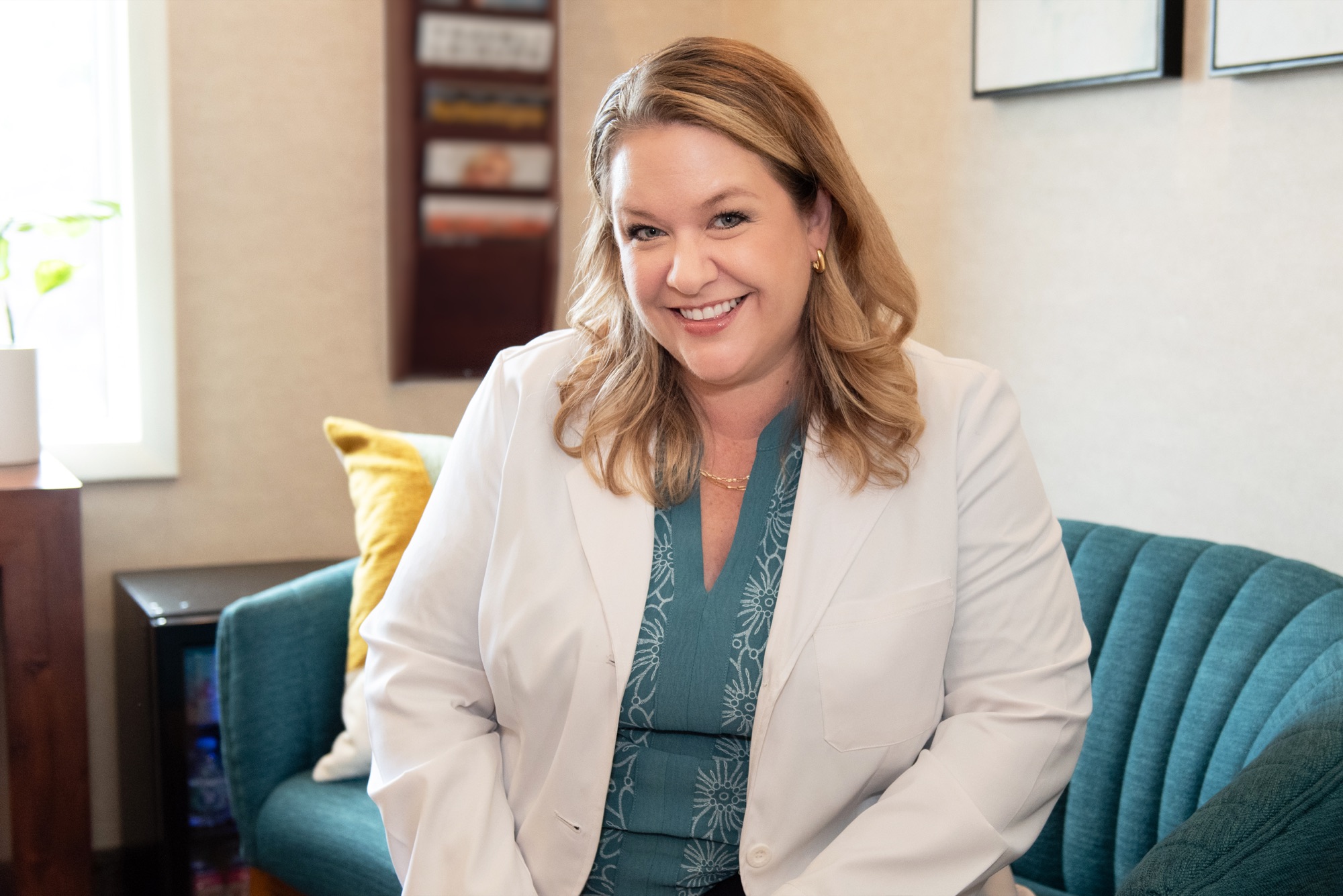
Symptoms
Some of these you will notice yourself; several are things the person sleeping next to you notices first.
Why your dentist may raise it first
A dental practice sees your mouth twice a year, which turns out to be a useful vantage point. Worn and flattened teeth, scalloping along the edges of the tongue, a dry mouth, and jaw muscles that are tender to the touch are all things we look at routinely — and all of them can accompany disordered breathing at night.
Teeth grinding and airway problems frequently travel together, and morning headaches sit squarely in both columns. So does jaw pain: people arrive asking about TMJ and leave having had a conversation about their sleep that nobody had started with them before. Where clenching is doing real damage alongside the disrupted breathing, therapeutic Botox is sometimes part of the answer as well.
To be clear about roles: sleep apnea is diagnosed by a physician, generally on the basis of a sleep study done at home or in a lab. We are not the ones who make that diagnosis. What we can do is notice the pattern, say something, and make the appliance once a diagnosis is in hand.
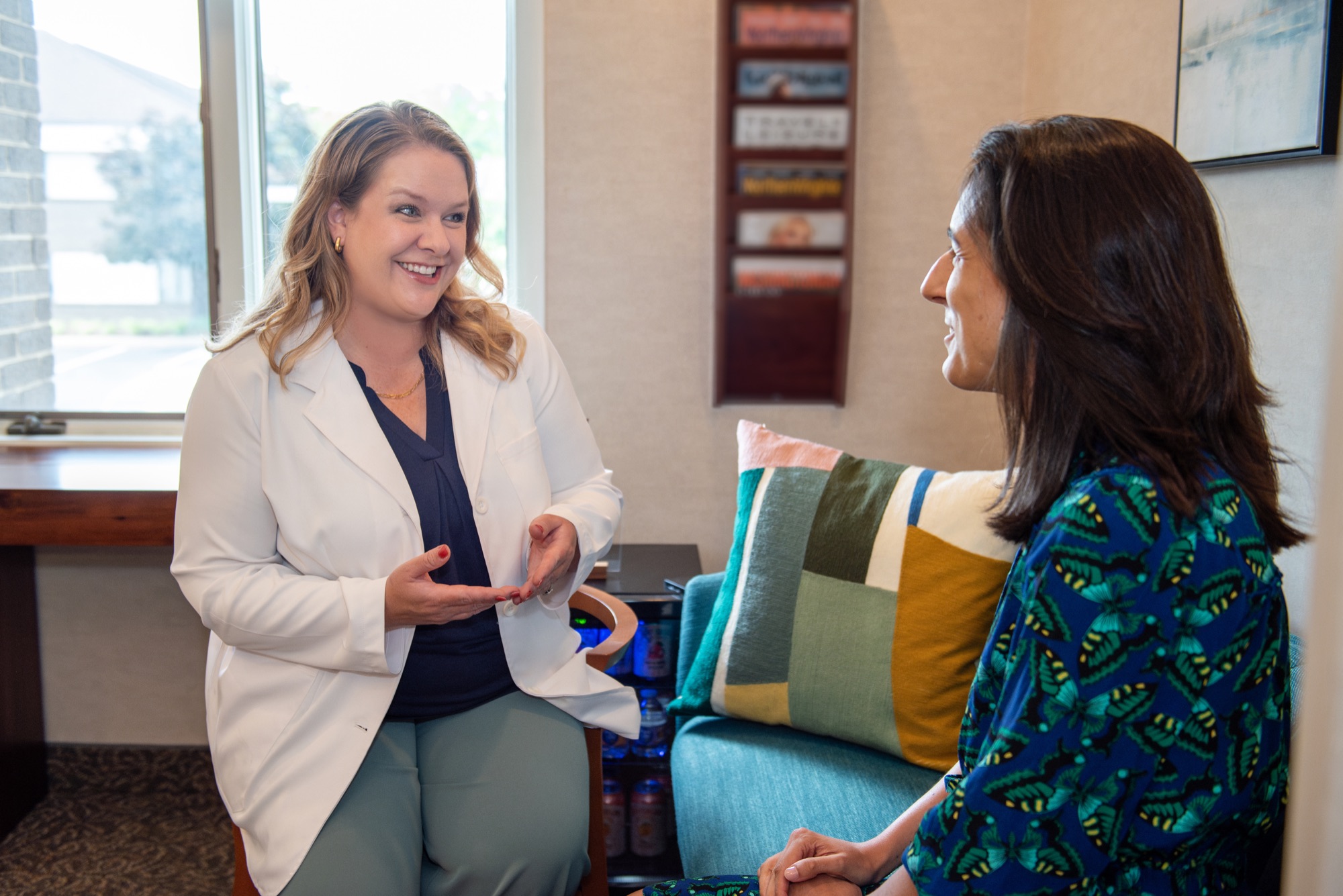
A non-invasive solution
Our custom devices work by gently pulling your jaw forward, which opens your airway. The appliance is made from impressions of your own teeth, worn only while you sleep, and looks not unlike a slim retainer. Because it is built to your mouth rather than bought off a shelf, it stays where it is put without your having to clench to hold it.
Oral device advantages
CPAP is still the standard treatment, and for more severe apnea it is usually the right one. If your machine is working for you, keep it. Oral appliance therapy exists for the substantial number of people who cannot tolerate a mask, who travel constantly, or whose physician considers it appropriate for their case. That decision is one to make together with the doctor managing your diagnosis — we are glad to work alongside them.
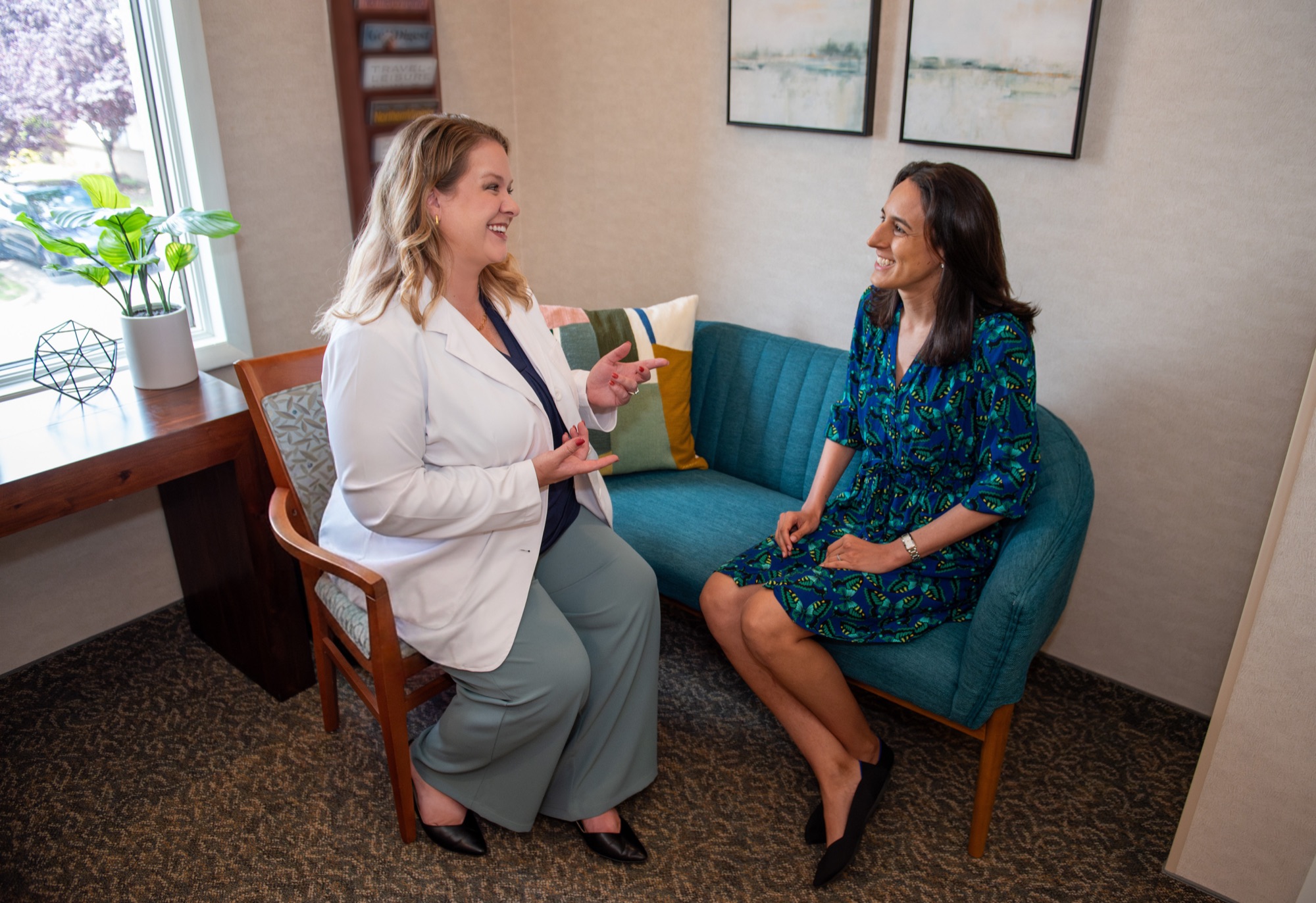
What the process looks like
1. A conversation
We talk about how you sleep, how you feel in the mornings, and what your partner has noticed. Dr. Lokitis takes the time to listen and get to know each patient, and this is a subject where the detail matters.
2. An examination
We look at your airway, your bite, your jaw joints, and the wear on your teeth. If you already have jaw symptoms, that shapes what kind of appliance is sensible and how we adjust it.
3. Diagnosis, where you do not already have one
If a sleep study has not been done, that comes before an appliance. Fitting a device for a condition nobody has confirmed helps no one.
4. Impressions and fitting
Impressions are taken, the device is made, and you come back to have it fitted and adjusted. Expect a short settling-in period — some jaw awareness and extra saliva in the first week or two is normal.
5. Follow-up
We check how you are getting on, how your bite and jaw joints are responding, and adjust the fit. Your physician will want to know whether the treatment is doing its job, and that is worth confirming rather than assuming.
One practical note: treatment for sleep-disordered breathing is sometimes handled by medical insurance rather than dental, and the two work differently. We are glad to check your benefits before you commit to anything.
Frequently Asked Questions
What is obstructive sleep apnea? expand_more
Obstructive sleep apnea is triggered by the loss of tone in the soft tissues at the back of your throat during sleep. Those tissues relax, narrow the airway, and briefly block airflow. The body rouses just enough to restore breathing, then settles again — often many times a night, usually without your remembering any of it.
Can a dentist diagnose sleep apnea? expand_more
No. Sleep apnea is diagnosed by a physician, usually on the basis of a sleep study done at home or in a lab. What a dental practice can do is notice the signs, raise them with you, and — once you have a diagnosis — make and fit the oral appliance. We're glad to be the people who ask the question first.
How does an oral sleep device work? expand_more
A custom-fit oral device works by gently pulling your jaw forward, which opens your airway. It is worn only during sleep, and it is made from impressions of your own teeth so that it sits securely without your having to hold it in place.
How does it compare with CPAP? expand_more
CPAP remains the standard treatment, particularly for more severe apnea, and if you are getting on well with yours there is no reason to change. Oral devices are portable, less obtrusive, make no noise, and are not reliant on a power source, which is why they suit people who travel or who have not been able to tolerate a mask. Which is appropriate for you is a decision to make with your physician.
Will it stop my snoring? expand_more
Many people find snoring improves substantially, because the same narrowing that causes the noise is what the device is designed to open. We won't promise silence — results vary with anatomy and with the cause of the snoring — but it is one of the changes partners tend to notice first.
Is an oral appliance uncomfortable to wear? expand_more
There is an adjustment period. Most people describe some jaw or tooth awareness in the first week or two, and extra saliva at the start. Because the device holds the jaw slightly forward, we watch how your bite and jaw joints respond and adjust as needed — particularly if you already have TMJ symptoms.
Is an oral sleep device covered by insurance? expand_more
It varies, and it can be more involved than routine dental work — treatment for sleep-disordered breathing is sometimes handled by medical insurance rather than dental. We're happy to check your benefits before you commit to anything, and we'll go over the cost with you before we begin.
Related Services
Tired of being tired?
If snoring, morning headaches, or unrefreshing sleep sound familiar, start the conversation. Contact our Vienna office — minutes from Tysons Corner — and we will help you find the next sensible step.