Sports Mouthguards
An adult front tooth does not grow back. A mouthguard made from a model of your own teeth stays where it is put, lets you speak and breathe, and is comfortable enough to be worn for a whole match — fitted at our Vienna office, minutes from Tysons Corner, for athletes of any age.
Why choose a mouthguard
A mouthguard is the cheapest piece of protective equipment in the bag and the one most often left out of it. An adult front tooth does not grow back. Once it is knocked out or fractured through the root, you are committed to dental work for life — a bonded repair, a crown, eventually perhaps an implant.
A guard spreads and absorbs a blow that would otherwise arrive at one point on one tooth. It protects against cracked, knocked-out, and chipped teeth, and prevents the softer injuries people forget: cuts and lacerations to the lip, cheek, and tongue. Wearers of generic mouthguards are twice as likely to suffer a concussion as those in custom-fitted protection.
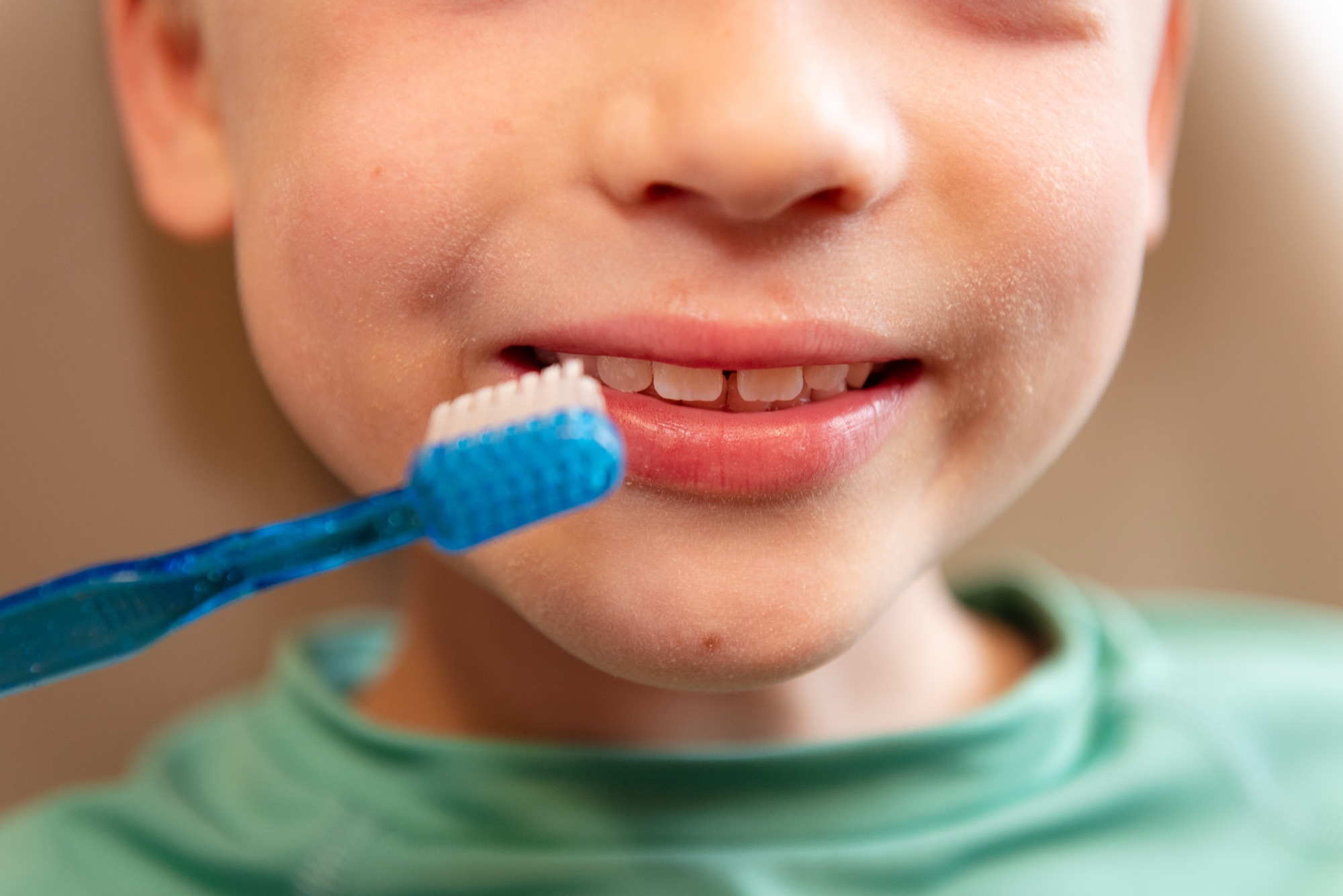
What a custom-fitted guard gets you
A guard made from a model of your own teeth behaves differently from one boiled in a pan at home.
The last two are less trivial than they sound. Most guards are abandoned for comfort reasons, not because anyone decided protection was unnecessary. Removing those objections is why a fitted guard is still in use at the end of a season.
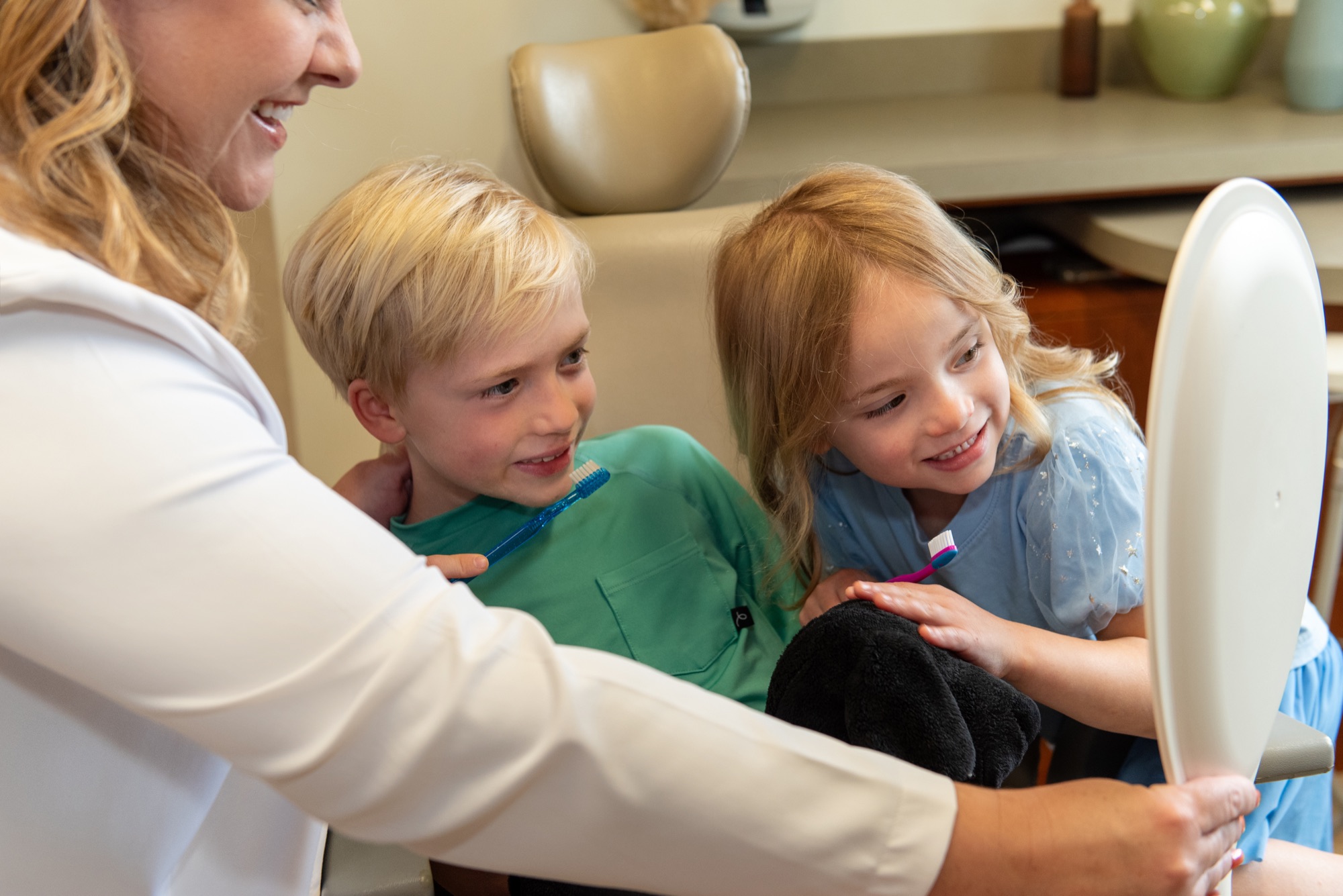
Which sports, and which ages
The obvious candidates are the contact sports — football, hockey, lacrosse, rugby, wrestling, boxing and martial arts — where a guard is often required and the requirement does not need arguing.
The injuries we actually see tend to come from elsewhere. Basketball is one of the most reliable sources of broken front teeth in youth sport, and almost nobody wears a guard for it. So are soccer, field hockey, and softball, along with skateboarding, mountain biking, and a trampoline in a back garden in Vienna. The common factor is not contact, it is an elbow, a ball, or a kerb arriving at head height at speed.
For children, a guard in a mouth that is still changing needs checking as new teeth arrive, so a young athlete will need a new one periodically — a reason to have it looked at during a routine visit, not a reason to skip it. Children's dentistry and protective sealants cover the rest of the prevention picture.
How yours is made
It is a short and undramatic process. We take a record of your teeth — in most cases a 3D digital scan, which takes a few minutes, involves no radiation, and appears on the screen next to you as it is captured. The guard is then made to that model.
At the fitting we check that it seats properly and that your bite closes evenly against it, and if an edge rubs we adjust it there and then. Tell us in advance if the athlete is in braces or wearing clear aligners, and tell us the sport — a guard for wrestling and a guard for basketball are not asking for the same thing.
A sports guard is not a night guard
A sports mouthguard is built to absorb a single sudden impact, so it is relatively thick and soft. A night guard for grinding has to withstand hours of sustained clenching, so it uses a harder material designed to distribute load rather than cushion a blow. A soft sports guard worn nightly can even encourage clenching.
If you are grinding at night, waking with a sore jaw, or noticing your back teeth wearing flat, the appliance you want is the other one. Teeth grinding covers that, and where jaw pain and clicking are part of the picture, TMJ treatment is the wider conversation. Retainers are a third thing again, made to hold teeth in position after orthodontics, and they protect nothing.
If a tooth gets knocked out anyway
Worth reading before you need it, because the first ten minutes matter more than anything afterwards. Pick the tooth up by the crown, not the root, and rinse it briefly in milk or clean water without scrubbing. If you can, put it back into the socket and hold it there; if not, keep it in milk — not water, not a tissue — and get to a dentist immediately. A tooth reimplanted quickly has a genuine chance; one that has dried out does not.
Call (703) 893-1603 on the way rather than after you arrive, and see emergency dentistry for what else counts as urgent. Dental trauma management was part of Dr. Lokitis's hospital residency training; she earned her DDS from the University of Maryland, Baltimore with special honors in prosthodontics and has over 15 years in general practice.
Our Vienna office, minutes from Tysons Corner, is open Monday 8:30 to 5:00, Tuesday 9:30 to 6:00, Wednesday 8:30 to 5:00, and Thursday 7:30 to 2:00, and closed Friday through Sunday — which covers most of the weekend sporting calendar. If a tooth is knocked out on a Saturday, go to urgent care or a hospital emergency room and call us as soon as we open.
Frequently Asked Questions
Is a custom mouthguard really better than one from a sporting goods store? expand_more
Yes, and the reason is fit rather than material. A guard made from a model of your own teeth stays where it is put, lets you speak and breathe, and is comfortable enough to wear for a whole match. Wearers of generic mouthguards are twice as likely to suffer a concussion as those in custom-fitted protection.
Which sports actually need a mouthguard? expand_more
The contact sports are obvious: football, hockey, lacrosse, rugby, wrestling, boxing and martial arts. The broken front teeth we see, though, come just as often from basketball, soccer, field hockey and softball, where hardly anyone wears one. If an elbow, a ball, or a kerb can reach head height at speed, a guard is worth having.
How is a custom mouthguard made? expand_more
We take a record of your teeth, usually a 3D digital scan that takes a few minutes and involves no radiation. The guard is made to that model, and at the fitting we check that it seats properly, that your bite closes evenly, and that nothing rubs. Tell us which sport it is for, because that affects how it is built.
Can my child wear a mouthguard with braces? expand_more
Yes, and protection matters more than usual during orthodontic treatment, because brackets and wires give a blow something extra to catch on. Tell us in advance that braces or clear aligners are involved so the guard accounts for them. A child in a growing mouth also needs the fit checked as new teeth come through.
How do I clean and store a mouthguard? expand_more
Rinse it after every use, brush it gently with cool water, and let it dry before it goes away. Store it in a ventilated case rather than a damp gym bag. Never use hot water and never leave it in a hot car: heat distorts the plastic, and a distorted guard no longer fits. Bring it to appointments and we will check it.
Can I use my sports mouthguard as a night guard for grinding? expand_more
They are made for different jobs and are not interchangeable. A sports guard is thick and soft because it has to absorb one sudden impact. A night guard has to withstand hours of clenching, so it uses a harder material designed to distribute load. Wearing a soft sports guard at night can even encourage clenching.
What should I do if a tooth is knocked out during a game? expand_more
Pick the tooth up by the crown, not the root, and rinse it briefly in milk or clean water without scrubbing. If you can, place it back in the socket and hold it there; if not, keep it in milk and get seen immediately. Call us on the way. We are closed Friday through Sunday, so on a weekend go to urgent care or a hospital emergency room.
The cheapest protective gear you own.
A mouthguard appointment is short and easy to fold into a visit you were already having. Contact our Vienna office, minutes from Tysons Corner, and tell us the sport.