Root Canal Therapy
Root canal therapy treats infection inside a tooth and keeps the tooth rather than removing it. In the practice's own words: we are skilled in pain-free root canal therapy, so there is no need to put off treatment. If you are in pain now, call us.
The reputation is worse than the appointment
Root canal therapy has the worst name in dentistry and very little of it is deserved. The pain people associate with a root canal is the pain that brings them in: an infected nerve inside a tooth, which is genuinely one of the more unpleasant things the body does. The treatment is what stops it.
The practice puts it plainly: we are skilled in pain-free root canal therapy, so there is no need to put off treatment. The appointment is done under local anesthetic. Most people describe it afterwards as long rather than painful, and a good many say it was less eventful than the filling they were dreading.
What a root canal does is save the tooth. The alternative to treating an infected tooth is losing it, and then deciding between an implant, a bridge, or a denture to fill the space. Your own tooth, kept, is almost always the better outcome.

How a tooth gets to this point
Inside every tooth is a chamber of soft tissue containing the nerve and blood supply. When bacteria reach it, the tissue becomes infected and inflamed, and because it is sealed inside a hard shell there is nowhere for the pressure to go. The usual routes in are deep decay, a crack, an injury, or repeated work on the same tooth over many years.
That last one is worth dwelling on. A nerve can die quietly, and the infection can carry on without much in the way of symptoms, which is one of the reasons routine X-rays at a checkup are worth keeping up.
If you are in pain now, call us on (703) 893-1603 rather than working through this page. Facial swelling, difficulty swallowing or breathing, or a fever alongside dental pain need urgent attention, and our emergency dentistry page explains when to go to an emergency room instead. Please do not send clinical details through the website; a phone call gets you a faster and better answer.
What the treatment involves
Root canal therapy removes the infected tissue from inside the tooth, disinfects the space it came from, and seals it so bacteria cannot re-establish. Multiple visits are typically required, and where there is active infection an antibiotic may be prescribed beforehand.

1. Diagnosis
An examination and X-rays to confirm which tooth is responsible and what state the nerve and the bone around the root are in. Referred pain is common enough that this step is not a formality.
2. Anesthetic
The tooth and the surrounding area are numbed thoroughly before anything begins. Tell us if you are not fully numb. An infected tooth sometimes takes a little more work to settle, and that is expected rather than unusual.
3. Removing the damaged tissue
An opening is made in the top of the tooth and the damaged nerve tissue is removed from the canals inside the root. This is the part that relieves the pressure, and it is the reason people often feel better immediately afterwards.
4. Cleaning and filling the root
The canals are cleaned, shaped and disinfected, and the root is filled with an antibiotic dressing. The canal system in a molar is more intricate than most people imagine, which is why this takes the time it does.
5. Sealing the tooth
The canals are packed with filling material and the access opening is closed. At this point the infection has been dealt with, but the tooth is structurally weaker than it was.
6. Capping it with a crown
The tooth is then capped with a crown, which holds it together and protects it against fracture. On a back tooth this is not an optional finish; it is the step that decides whether the treatment lasts.
Why a crown almost always follows
This is the part of root canal treatment people are least often told about, and it matters more than anything else in this list. A root-treated tooth has had its inside hollowed out and no longer has a living blood supply, which makes it more brittle than it was. The access opening in the top leaves it weaker still.
A crown covers the whole tooth and holds it together, so the tooth is not lost to a split months after the endodontic work succeeded. Ours are made by Oral Prosthetics Lab, and material choice follows the tooth: BruxZir Zirconia where strength matters most at the back of the mouth, e.max where appearance is doing the work at the front.
Occasionally a front tooth with very little structure lost is an exception, and Dr. Lokitis will tell you if yours is one. The default, though, is a crown, and budgeting for it as part of the treatment rather than as a surprise afterwards is the honest way to plan.
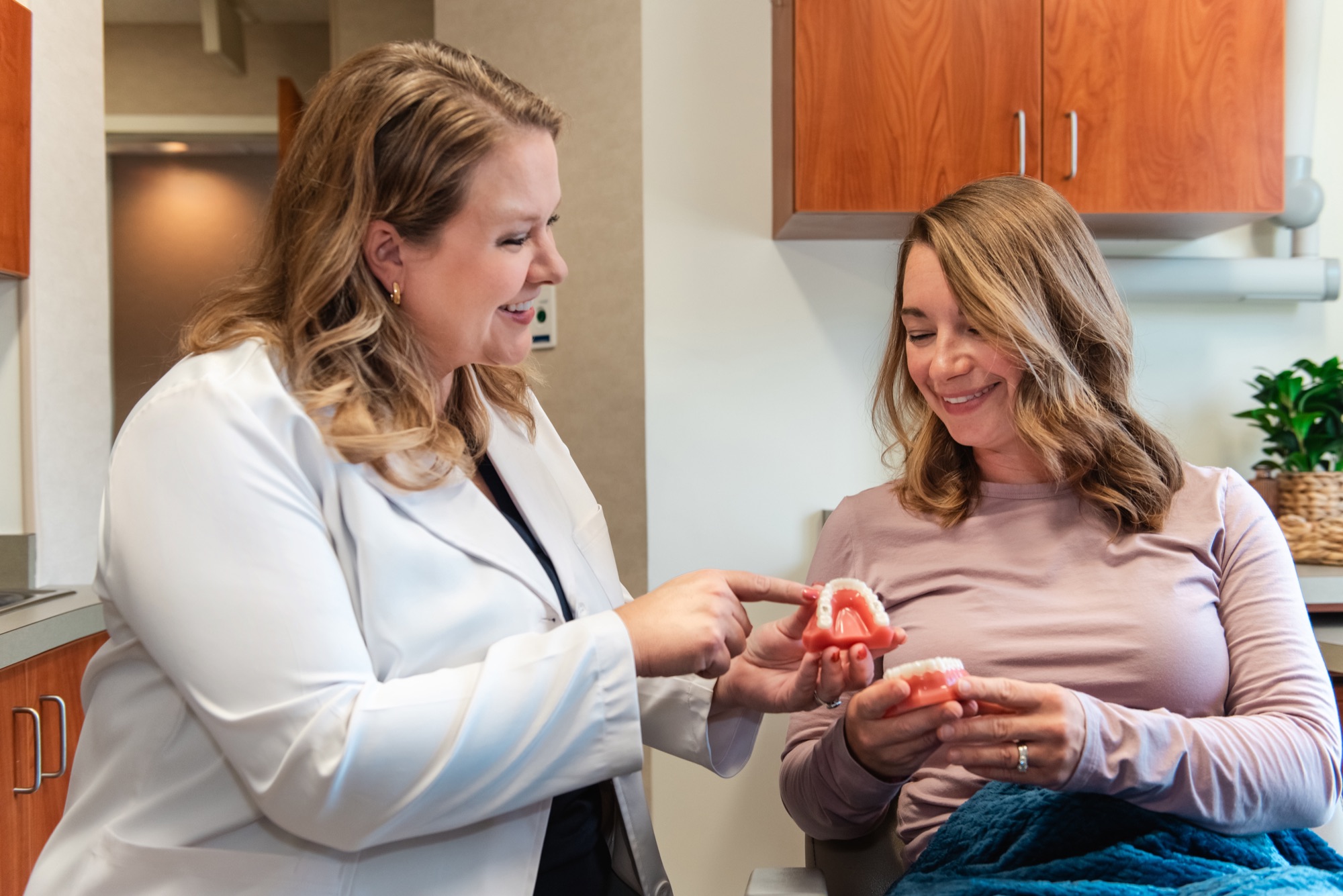
Root canal, or extraction
There are teeth that cannot be saved. A root fracture, decay that has run below the level of the bone, or a tooth with too little structure left to hold a crown are all situations where extraction is the honest recommendation rather than a sign of giving up.
Where the tooth can be kept, keeping it is usually better. Nothing replaces a natural root as well as the root itself, and the replacement options all involve either surgery or work on neighboring teeth. Where a tooth does have to come out and an implant may follow, grafting the socket at the time of the extraction helps preserve the natural bone structure for later.
Comfort is not an afterthought here. The practice keeps a Comfort Menu: soft blanket, weighted blanket, neck pillows, lumbar support pillow, stress ball, fidget toys, aromatherapy, and noise-cancelling headphones with music options. Nitrous oxide is available for an additional fee. Azeb, who has been with the office since 1999, excels with root canals and restorations, and treats the office like an extension of her own family.
Dr. Julia Lokitis holds a DDS from the University of Maryland, Baltimore with special honors in prosthodontics and completed a one-year general practice residency at York Hospital in Pennsylvania. She has spent over 15 years in general practice, and where a case is better handled by a specialist she will say so. Our office is on Old Courthouse Road in Vienna, minutes from Tysons Corner and convenient to McLean, Dunn Loring, Merrifield, and Falls Church.
Frequently Asked Questions
Does a root canal hurt? expand_more
The treatment is done under local anesthetic and most people describe the appointment as long rather than painful. The pain associated with root canals is really the pain of the infected nerve that brings people in, and the treatment is what relieves it. Tell us if you are not fully numb; an infected tooth sometimes takes a little more anesthetic to settle.
How many visits does a root canal take? expand_more
Multiple visits are typically required, and how many depends on the tooth. A front tooth with a single canal is simpler than a molar with several. Where there is active infection, an antibiotic may be prescribed before treatment starts. The crown that follows is a separate appointment again.
Will I need a crown afterwards? expand_more
Usually, and especially on a back tooth. A root-treated tooth has been hollowed out and has no living blood supply, which makes it more brittle, and the access opening leaves it weaker still. A crown holds the tooth together so it is not lost to a fracture after the treatment has already succeeded. It is best planned as part of the treatment rather than as an afterthought.
Can I just have the tooth pulled instead? expand_more
You can, and sometimes that is the right answer, but it is worth understanding the trade. Once the tooth is gone you are choosing between an implant, a bridge, or a denture, all of which involve either surgery or work on the neighboring teeth. A tooth that can be kept is usually worth keeping. Where a tooth genuinely cannot be saved, Dr. Lokitis will say so plainly.
How long will the tooth last after a root canal? expand_more
A root-treated tooth that is properly sealed and protected with a crown can serve for many years. What tends to end them is fracture in a tooth that was never crowned, new decay getting in around the restoration, or a canal that could not be fully cleaned. Regular checkups catch all three earlier than you would notice them yourself.
Is it normal to be sore afterwards? expand_more
Yes. Tenderness for a few days, particularly on biting, is common while the ligament around the root settles, and over-the-counter pain relief is usually enough. What is not normal is pain that is increasing after the first few days, swelling, or a fever. Call us if any of those appear rather than waiting for the next appointment.
Can I go back to work the same day? expand_more
Most people do. The numbness lasts a few hours, so speaking may feel awkward for a while and you should avoid chewing on that side until normal sensation returns. If you have had nitrous oxide, that clears quickly before you leave. Plan a quiet evening rather than a day off.
If a tooth is keeping you awake, call.
Toothache is one of the few things in dentistry that does not improve on its own. Phone our Vienna office, minutes from Tysons Corner, and we will find you a time.