Wisdom Teeth Removal
Not every wisdom tooth has to come out. Dr. Julia Lokitis assesses yours from an X-ray before recommending anything, and removes them in our own Vienna office — minutes from Tysons Corner — under local anesthetic, with nitrous oxide available for comfort.
All about wisdom teeth
Wisdom teeth are the third molars, and they arrive somewhere between the late teens and the mid twenties. That timing is the problem: by then the rest of the arch has settled, and in many mouths there is not enough room left at the back for four more molars.
When there is room they behave like any other molar. When there is not, they stall part way, tilt sideways, or stay buried. A partly emerged wisdom tooth causes the most trouble, because the flap of gum over it traps food in a pocket no toothbrush reaches. Even so, not every wisdom tooth needs to come out — the question is never whether they should go in general, it is what yours are doing.
Reasons a wisdom tooth is removed
The findings that move a wisdom tooth from watch-and-wait to plan-to-remove.
That last one is worth expanding. Removal is sometimes recommended in support of periodontal therapy, where a wisdom tooth holds a pocket of infection that keeps re-seeding the gum beside it. The mechanics of the appointment are the same as any other tooth extraction, and the procedure sits inside our oral surgery care.
The X-ray comes before the recommendation
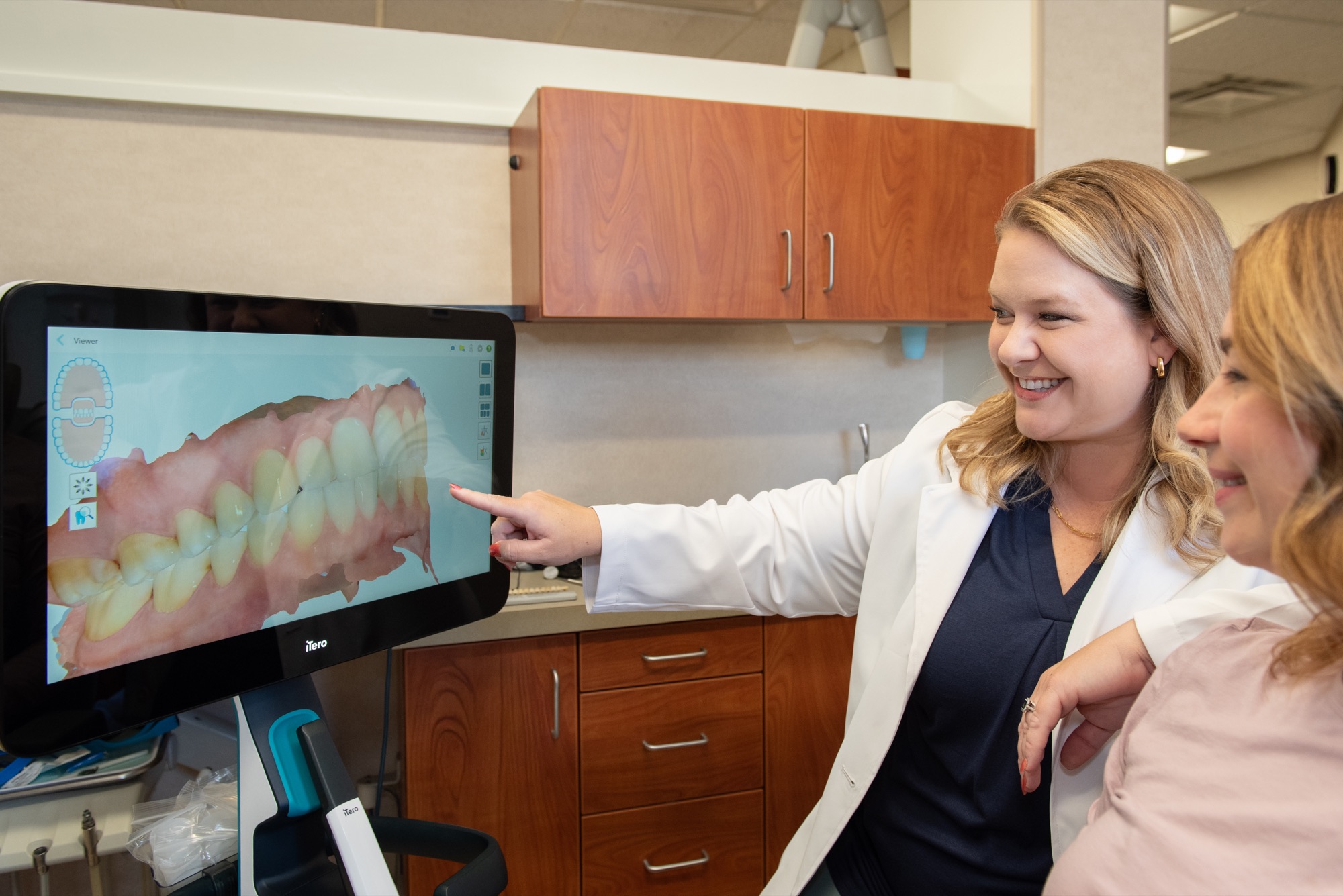
Wisdom teeth cannot be judged by looking in the mouth, because most of what matters is under the gum. Dr. Lokitis assesses them from X-rays, typically a panoramic image giving a full view of the jaw, bone, and roots in one picture. What she reads is the angle of the tooth, how curved the roots are, how close it lies to the nerve in the lower jaw, and whether anything is forming around it.
One tooth may be a straightforward removal; another may sit where the sensible answer is a referral to an oral and maxillofacial surgeon. You will see the image and hear the reasoning. If the answer is that yours are fine and should be watched at your regular checkups, that is a perfectly good outcome.
Comfort during the procedure
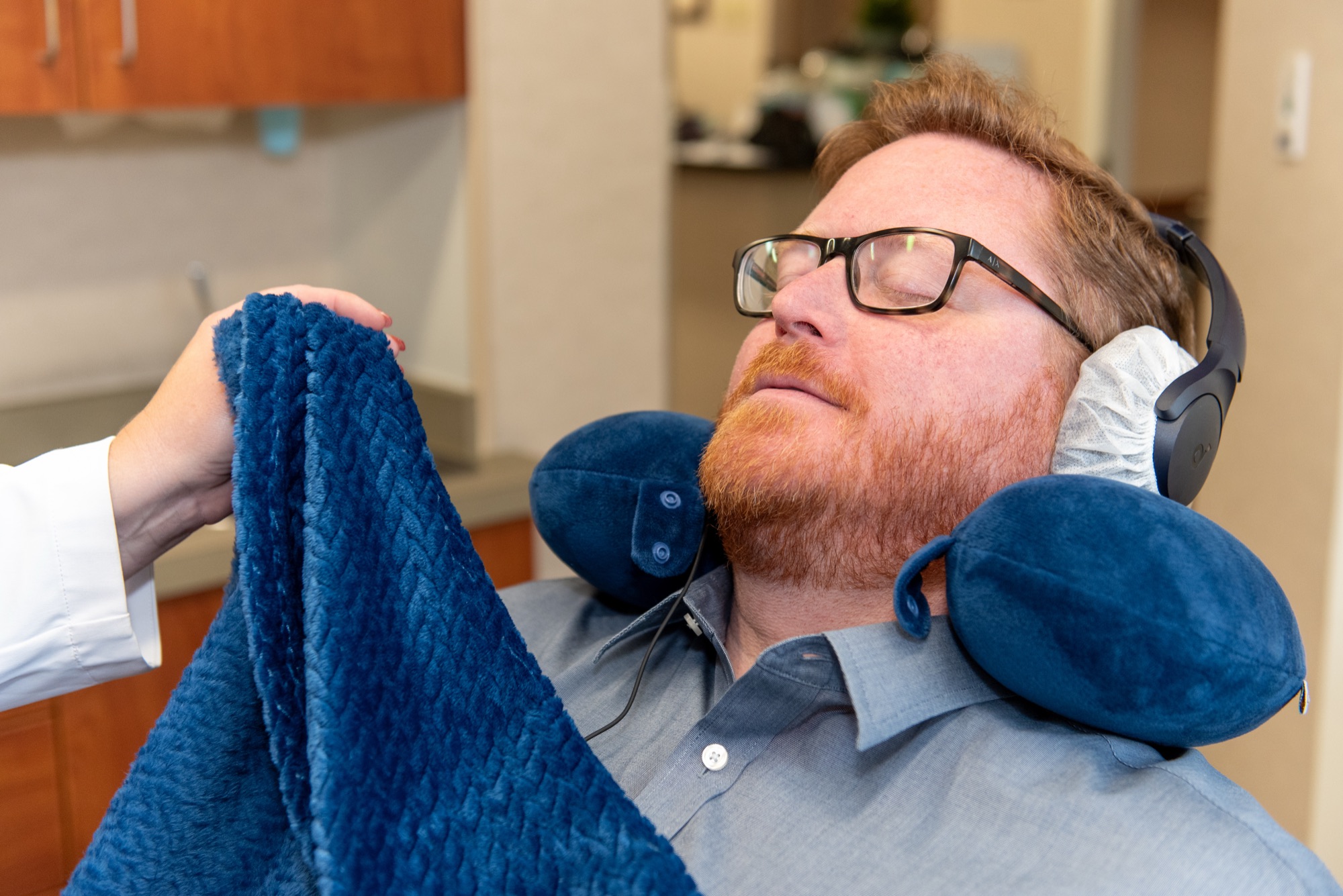
Wisdom teeth are removed under local anesthetic, and the area is numbed properly first. Most people find the sensation is pressure and movement rather than pain. You will hear more than you feel, which is one reason the headphones and music on the practice comfort menu earn their place.
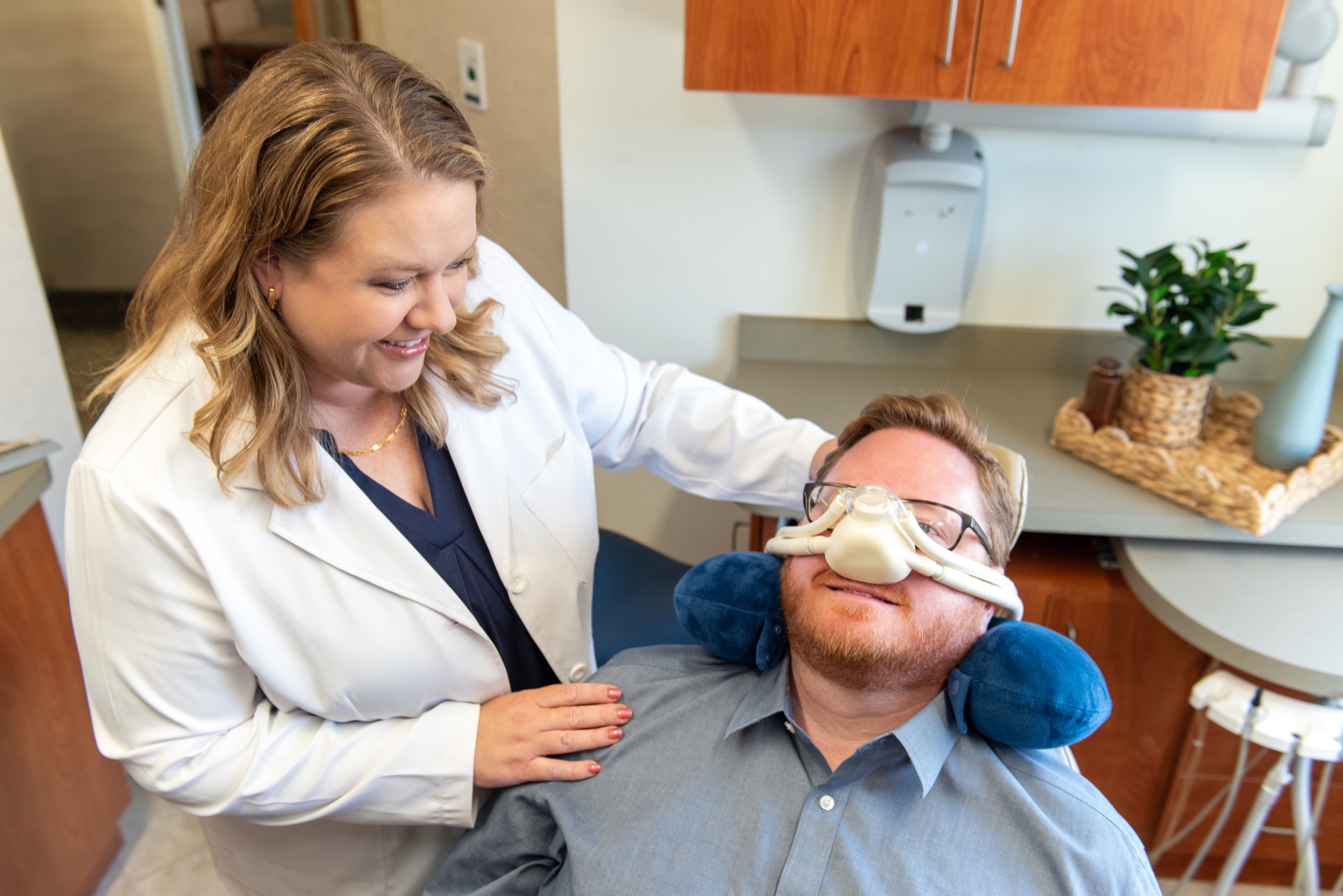
Nitrous oxide is available for an additional fee. It comes through a small nasal hood, wears off within minutes of being switched off, and generally leaves you able to drive yourself home. It is the sedation offered in this office — we do not provide IV sedation or general anesthesia, and where a case calls for either, Dr. Lokitis arranges a referral. Anxiety about this appointment is common, and telling us changes how the visit is run.
Recovery, honestly described
Wisdom tooth sockets are further back and often deeper than other extraction sites, so recovery asks a little more of you. It is manageable, and much easier if you clear the first couple of days rather than working around them.
You will leave with written aftercare and a number to call, and we will tell you which sensations are simply healing so that a normal second day does not read as an emergency.
Who assesses and removes them
Dr. Julia Lokitis earned her DDS from the University of Maryland, Baltimore with special honors in prosthodontics, and completed a one-year general practice residency at York Hospital in Pennsylvania with advanced training in oral surgery, implant surgery, and dental trauma management. She has spent over 15 years in general practice.
Wisdom teeth are removed here in our own office, by the dentist you already know — which for many patients is the difference between having this done and putting it off another two years. Where a specialist is the right call, she says so and makes the referral. No upselling, and you will know what the appointment costs beforehand.
An infected wisdom tooth can go from a dull ache to a swollen jaw in a day. Call (703) 893-1603 rather than waiting for it to settle, and see emergency dentistry for what we treat urgently. Our Vienna office, minutes from Tysons Corner, is open Monday 8:30 to 5:00, Tuesday 9:30 to 6:00, Wednesday 8:30 to 5:00, and Thursday 7:30 to 2:00, and closed Friday through Sunday. Over a weekend, swelling that is spreading or affecting your swallowing or breathing belongs in a hospital emergency room.
Frequently Asked Questions
Does everyone need their wisdom teeth out? expand_more
No. Plenty of people keep all four for life without trouble. Where a wisdom tooth has come through fully, sits in a sensible position, and can actually be brushed, there is usually no reason to remove it. Removal is recommended when a specific problem exists or is clearly on its way.
How does Dr. Lokitis decide whether they should come out? expand_more
From an X-ray, usually a panoramic image showing the whole jaw in one view, together with an examination and your symptoms. She is looking at the angle of the tooth, the roots, how close it lies to the nerve in the lower jaw, and whether the gum around it can be kept clean.
Is this done in the office, or will I be referred out? expand_more
Wisdom teeth are removed in our Vienna office in many cases, which means the same dentist and the same room. Some positions and some root anatomy are better handled by an oral and maxillofacial surgeon, and Dr. Lokitis will tell you and arrange the referral. The X-ray decides it.
What is recovery like? expand_more
Expect soreness, some swelling, and a stiff jaw, with the peak typically on the second or third day rather than the first. Most people find over-the-counter pain medication is enough. Soft cold foods, no straws, no smoking for one to three days, and gentle salt water rinses after 24 hours.
Is there a best age to have wisdom teeth removed? expand_more
Younger tends to be simpler, because roots are less fully formed and bone is less dense, and recovery is often quicker. That is a general pattern rather than a deadline. Adults have wisdom teeth removed routinely and do perfectly well. The right time is when the assessment says the tooth is a problem.
Will I be asleep for it? expand_more
No. The procedure is done under local anesthetic, with nitrous oxide available for an additional fee. Nitrous is breathed through a small nasal hood and wears off within minutes. It is the sedation we offer in this office. We do not provide IV sedation or general anesthesia, and cases needing either are referred.
Can wisdom teeth push my front teeth out of line? expand_more
Crowding later in life has several causes and third molars are only one thread, so removing wisdom teeth is not a treatment for crooked front teeth. What is true is that a wisdom tooth pressing on the molar in front can damage it, and removal is sometimes recommended in support of orthodontic treatment.
Find out what yours are actually doing.
A consultation is an examination, an X-ray, and a plain answer — including the answer that they are fine and should simply be watched. Contact our Vienna office, minutes from Tysons Corner.